Buy your weekday smoothies and get your weekend ones for free. (7 for the price of 5!)
WELLNESSWEEK

Forest compounds
Alpha & beta-pinene — the active phytoncides of shinrin-yoku.
Respiratory support
Mild bronchodilator — opens airways and deepens breathing.
Mental clarity
GABA pathway activation — the same neurological reset as time outdoors.
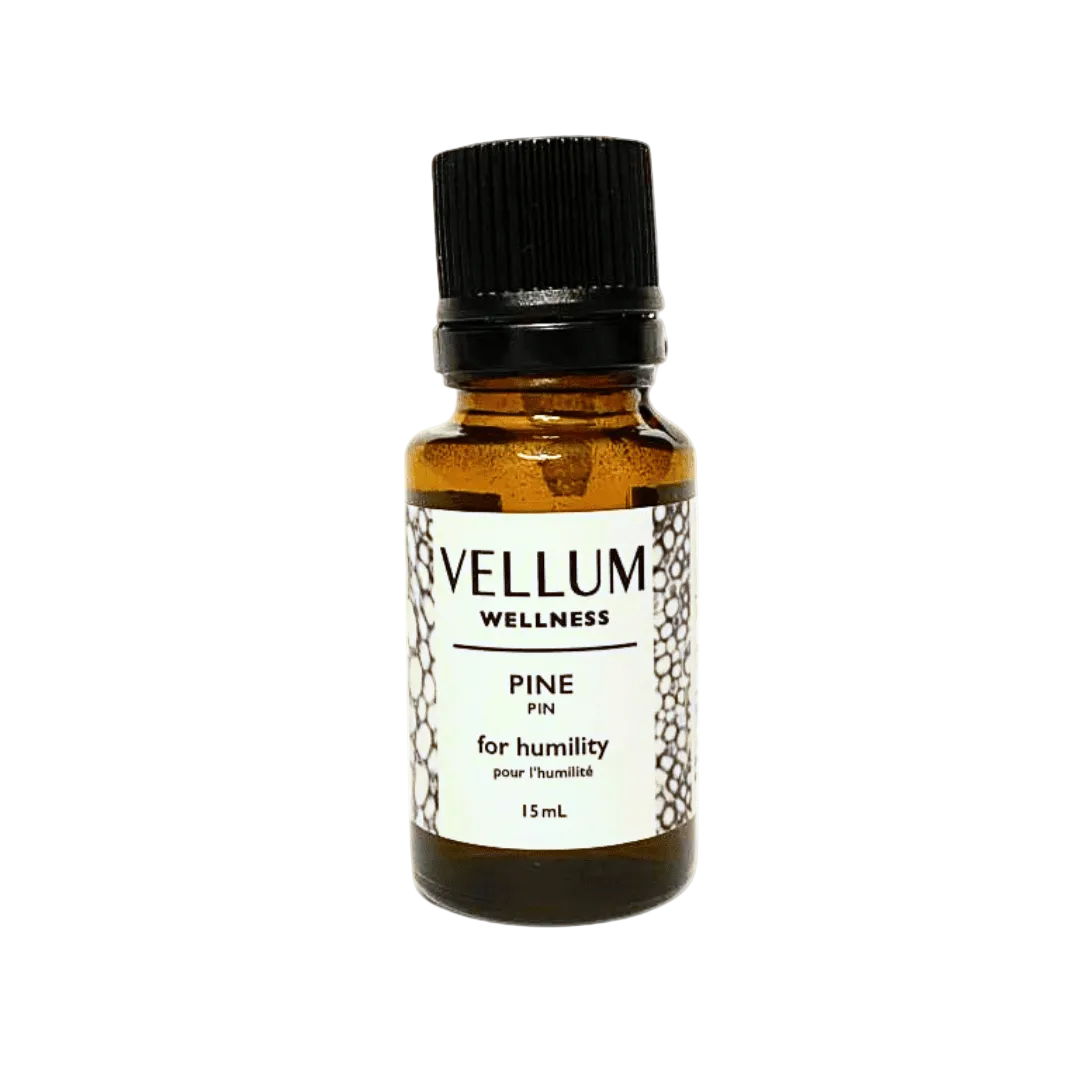
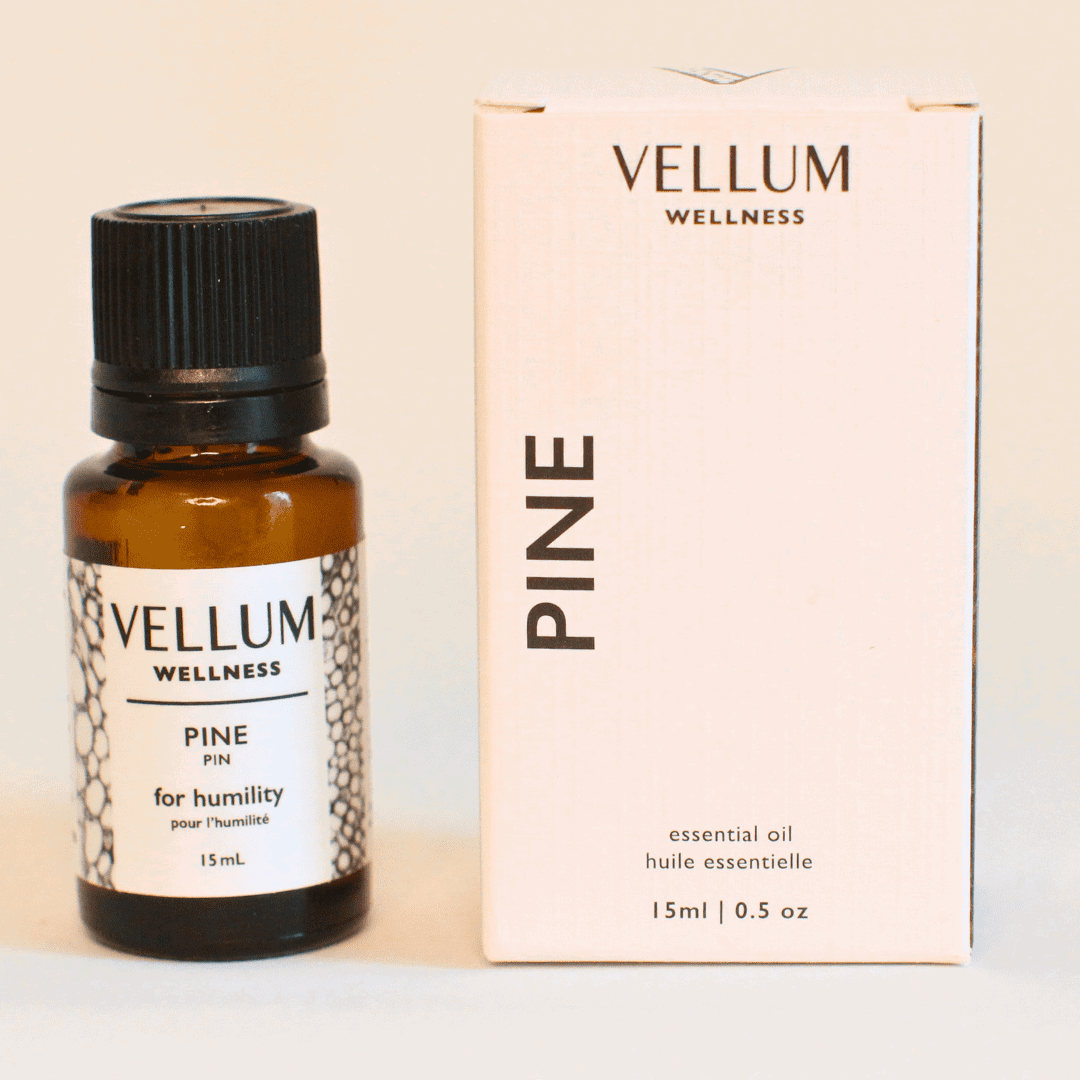
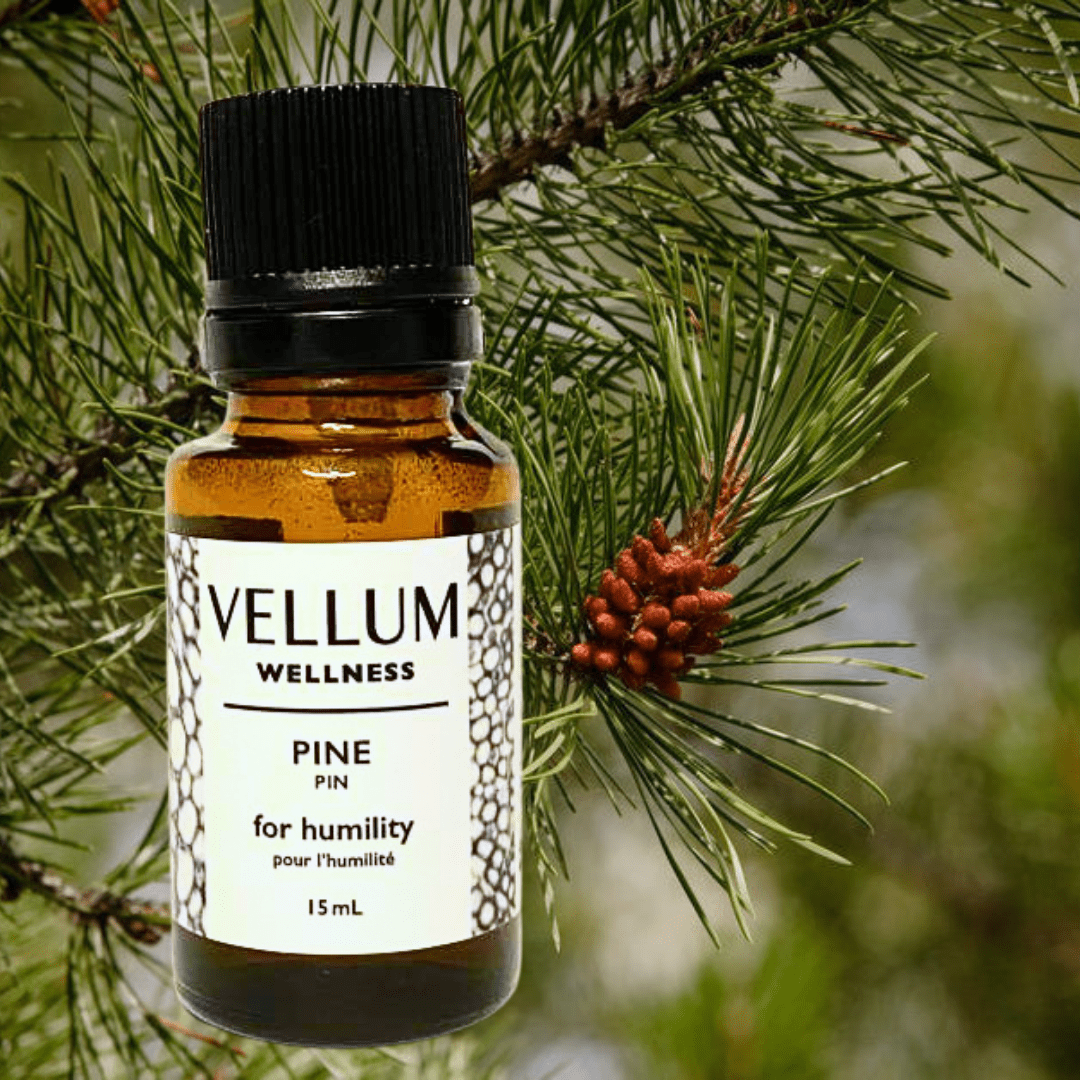
Essential Oil — Wood / Top Note
huile essentielle de pin
Bracing, clean, and alive — Pine smells like the decision to go outside and the instant relief of having done it. It opens the chest. It opens the mind. It makes the indoors feel, briefly, like somewhere worth being.
$22.00
CAD · 15 mL (lasts 8–10 weeks)Shipping calculated at checkout.
If you've been inside too long, under artificial light, breathing recycled air, cut off from anything that moves or grows — your nervous system knows it even if you don't. Pine is the fastest available intervention. One breath and the olfactory system registers forest. The brain responds accordingly: cortisol drops, breathing deepens, and the particular kind of mental heaviness that comes from being enclosed begins to lift. You don't have to go anywhere. You just have to diffuse it.

You don't have to go anywhere. You just have to diffuse it.
There is a documented phenomenon called shinrin-yoku — forest bathing — in which spending time among trees measurably reduces cortisol, lowers blood pressure, and improves immune function. The mechanism is largely olfactory: the phytoncides released by pine and fir trees are what the nervous system responds to.
Pine Essential Oil is the most direct indoor equivalent. Steam-distilled from Scots Pine needles, it delivers the same primary compounds — alpha-pinene and beta-pinene — that drive the neurological and respiratory benefits of forest immersion. Diffused, it transforms the quality of the air in a room. Inhaled, it transforms the quality of the thinking in your head. It is, in the most literal sense, a breath of fresh air.
Everything you'd want to know before it joins your shelf.
Pinus sylvestris
Alpha-pinene and beta-pinene function simultaneously as bronchodilators and anxiolytics. Alpha-pinene crosses the blood-brain barrier and interacts with GABA-A receptors — consistent with the stress-reduction outcomes observed in shinrin-yoku research — while beta-pinene adds anti-inflammatory activity and compounds the respiratory benefit.
"The ritual of application is as important as the ingredient itself. When you diffuse Pine, open a window if you can. Breathe deliberately. Give your nervous system the chance to register what it's receiving. Three minutes of conscious inhalation is worth more than three hours of passive background diffusion."

Two things happening at once.
Pine works on the mind through the olfactory system and on the body through the respiratory system — simultaneously.
The indoors feel like somewhere worth being.
Clears the particular mental heaviness that comes from confinement, overstimulation, or too many hours indoors. Pine's alpha-pinene has documented anti-anxiety effects via the GABA pathway, and its association with natural environments triggers the same neurological reset that forest exposure produces. Use it when you feel stuck, closed in, or like your thinking has been running in too small a space.
Breath of fresh air — literally.
Supports respiratory ease and open breathing — particularly useful during winter months, seasonal congestion, or after exercise. As a mild bronchodilator, it helps the airways open and supports the deeper breathing that compounds every other benefit. Also effective as a muscle analgesic when diluted and applied topically to tired or sore areas.
The forest, indoors. Any time you need it.
Add 5–6 drops to your diffuser alone or with Cedarwood before a work session. The neurological lift creates the sense of mental space that confined environments remove.
Apply diluted Pine to the shoulders and upper back post-shower. The combination of warmth, steam, and the resinous scent creates an immediate sense of having stepped outside.
Run your diffuser with 4–5 drops in your bedroom or workspace during cold and flu season. Or add 3 drops to a bowl of hot water and inhale with a towel over your head for direct respiratory support.
Dilute 1–2 drops in 5–10mL of Hempseed or Almond Oil and apply to the chest for respiratory support, or to sore muscles as a warming, analgesic treatment.
Blend 2–3 drops in Hempseed Oil and massage into worked muscles. The anti-inflammatory compounds and analgesic effect make it one of the most effective post-exercise topical treatments in the collection.
Morning clarity. Evening recovery. Pine earns its place at both ends of the day.
Diffuse 5–6 drops while you have your morning coffee, especially in winter or on days when motivation is low. Pine sharpens and opens without the intensity of Peppermint.
Blend 3 drops Pine with 3 drops Cedarwood for a combination that is grounding without being sedating. Apply diluted to sore muscles before bed — particularly good after physical activity or a long day on your feet.
Shinrin-yoku is the Japanese practice of forest bathing — spending deliberate time among trees for documented health benefits including cortisol reduction, lower blood pressure, and improved immune function. The primary mechanism is olfactory: the phytoncides (particularly alpha-pinene and beta-pinene) released by pine and fir trees are what the nervous system responds to. Pine essential oil delivers the same compounds indoors.
Pine is generally used with caution during pregnancy. Consult your healthcare provider or midwife before use. Diffusion at low concentrations (2–3 drops) is typically better tolerated than topical application during pregnancy.
Yes — Pine is one of the most effective oils for respiratory support. Diffuse 4–5 drops in your space, or add 2–3 drops to a bowl of hot water and inhale with a towel over your head for direct decongestant support. Do not ingest.
Both are excellent respiratory oils. Eucalyptus is sharper and more medicinal — very effective for acute congestion. Pine is softer and more grounding — better for ongoing support, mental clarity, and the combined respiratory-emotional benefit. Many people keep both.
Yes — diluted in a carrier oil and applied topically, Pine's anti-inflammatory and analgesic properties make it effective for muscle soreness, joint discomfort, and post-workout recovery. Always dilute — never apply undiluted to skin.
Cedarwood for a deep, grounded forest combination. Eucalyptus for a sharper respiratory blend. Peppermint to add brightness and intensity. Lavender to soften and add a calming layer for evening use.
Ready to try it?
$22.00
CAD · 15 mL · lasts 8–10 weeksComplete your routine
For external use only. Avoid contact with eyes. Always dilute with a carrier oil before applying to skin. Do not ingest. If pregnant, nursing, or under medical care, consult your healthcare provider before use. Keep out of reach of children and pets. Store in a cool, dry place away from direct sunlight. Patch test recommended for first use on sensitive skin.